
HSDGSGSFHF
Accurate statement is accurate on levels.
Photographer: Johnny Lopera
Model: Jeff Kellerman
Follow Me on Instagram
the gorgeous and the grotesque
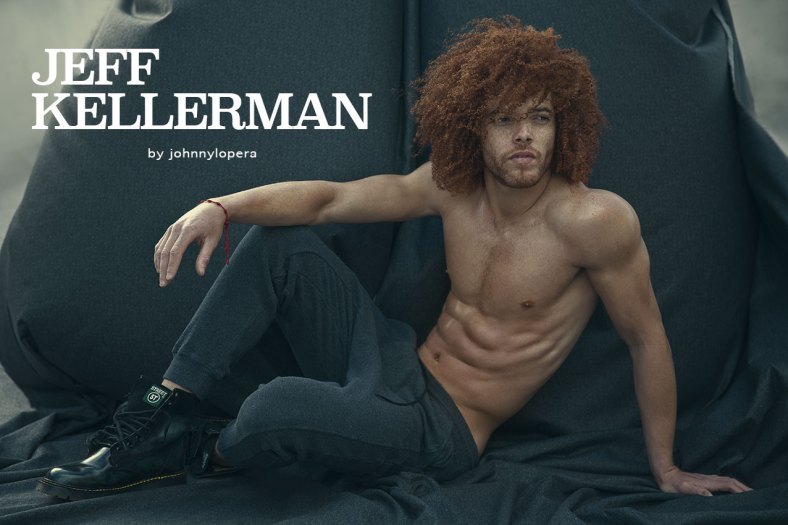








Photographer: Johnny Lopera
Model: Jeff Kellerman
Follow Me on Instagram
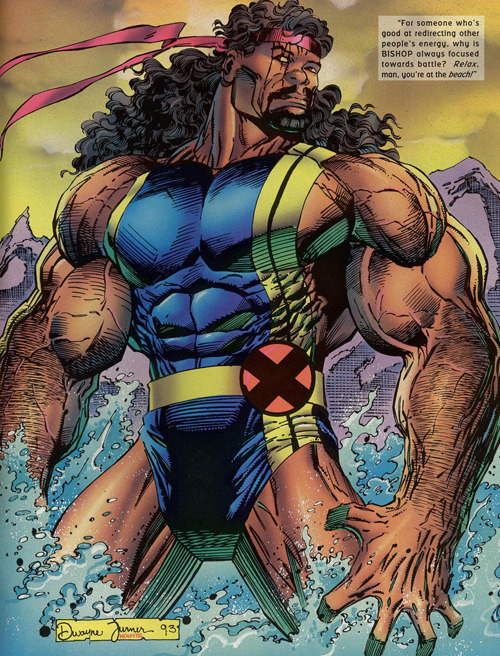
That’s a whole lotta Bishop
The Marvel Swimsuit issues will forever amuse me.
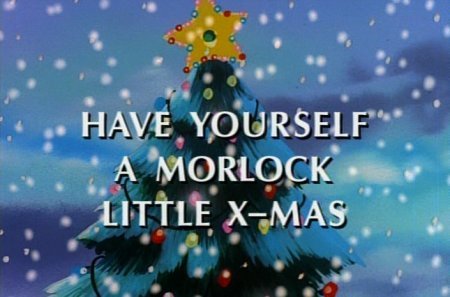
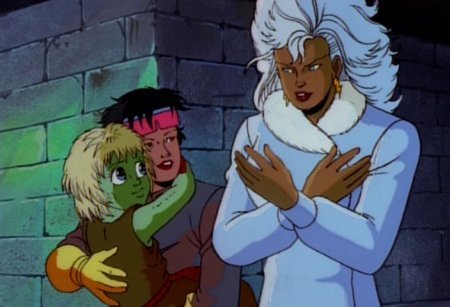
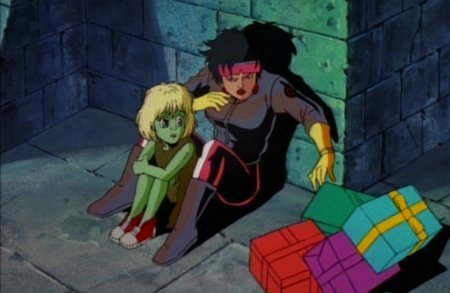

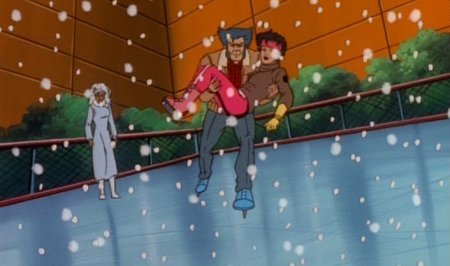
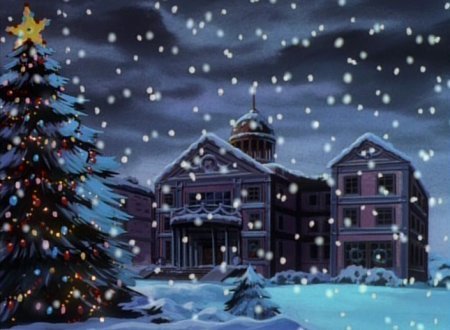
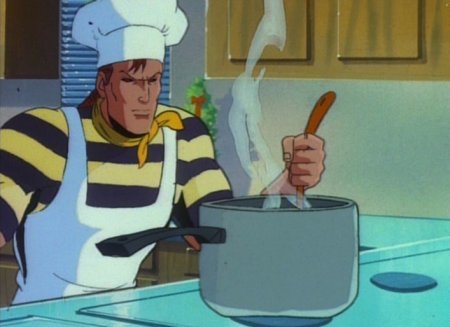

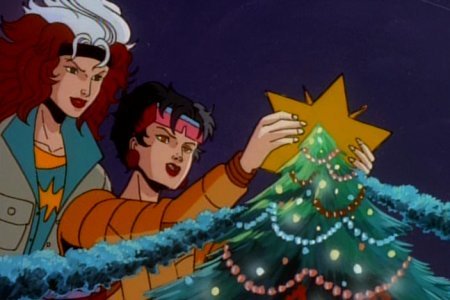
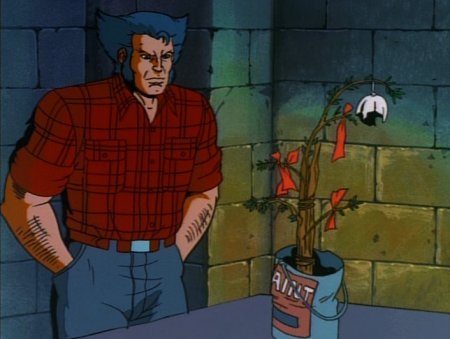
X-men Christmas Special – “Have Yourself A Morlock Little X-mas”
Remy, we need to talk about your fashion choices.
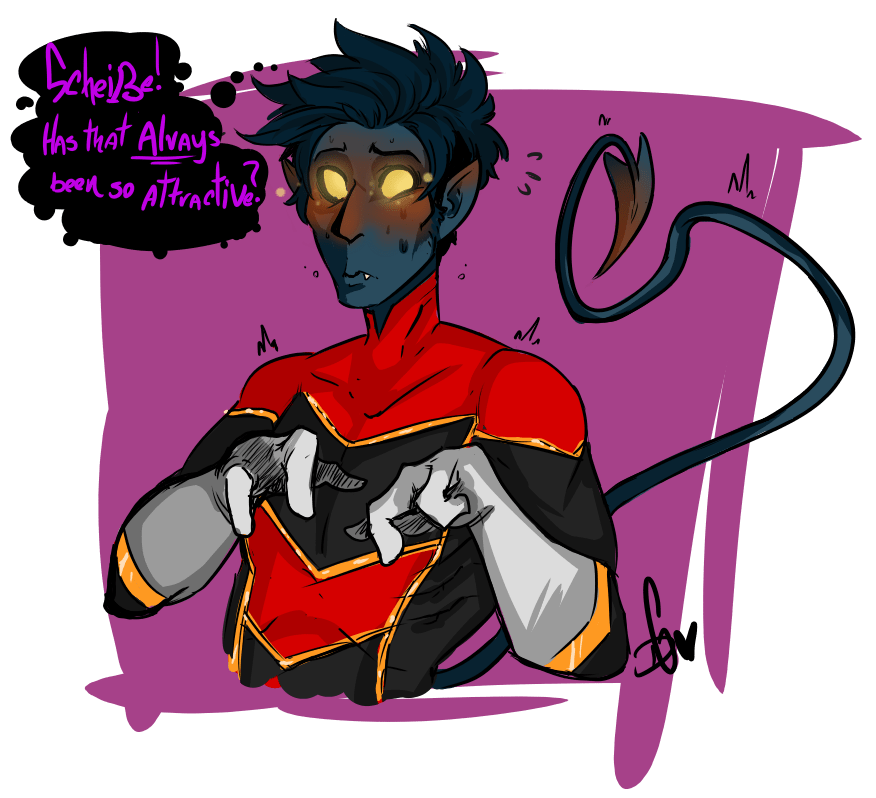
Discovering a kink be like—-
I just wanted to draw flustered Kurt.
Something about a blush through the fur is extra adorable.


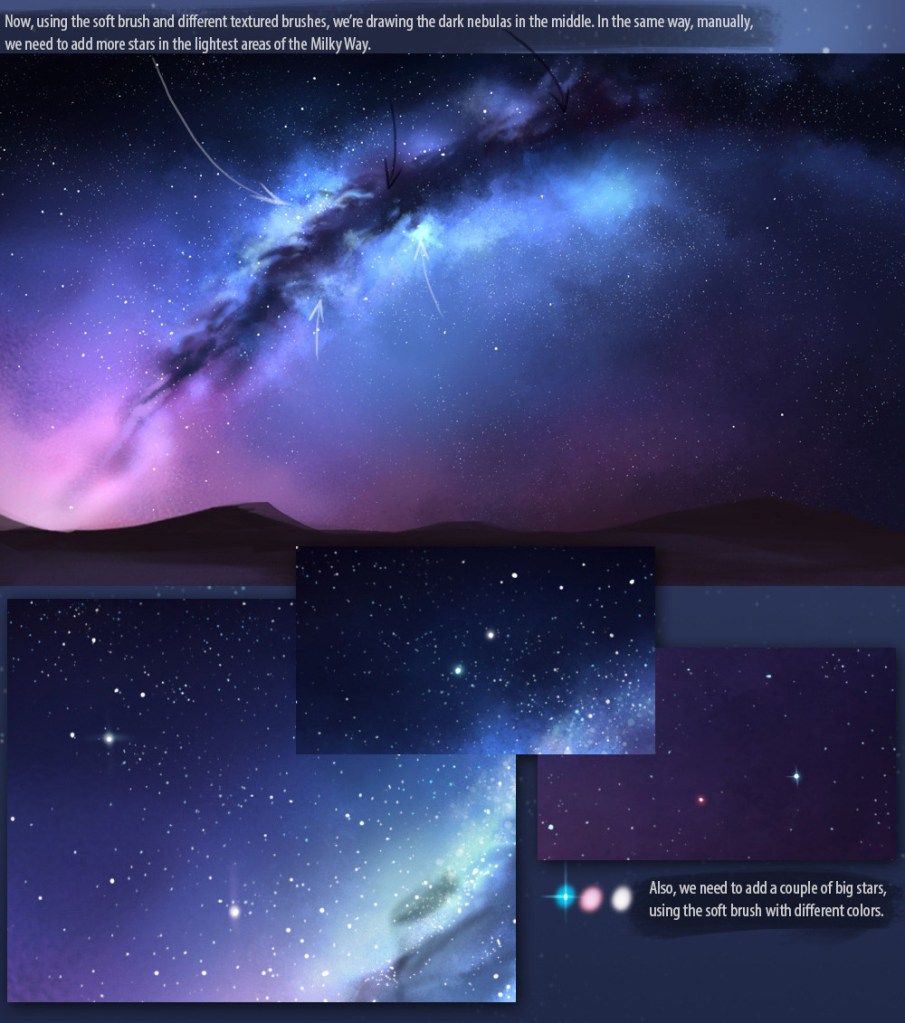
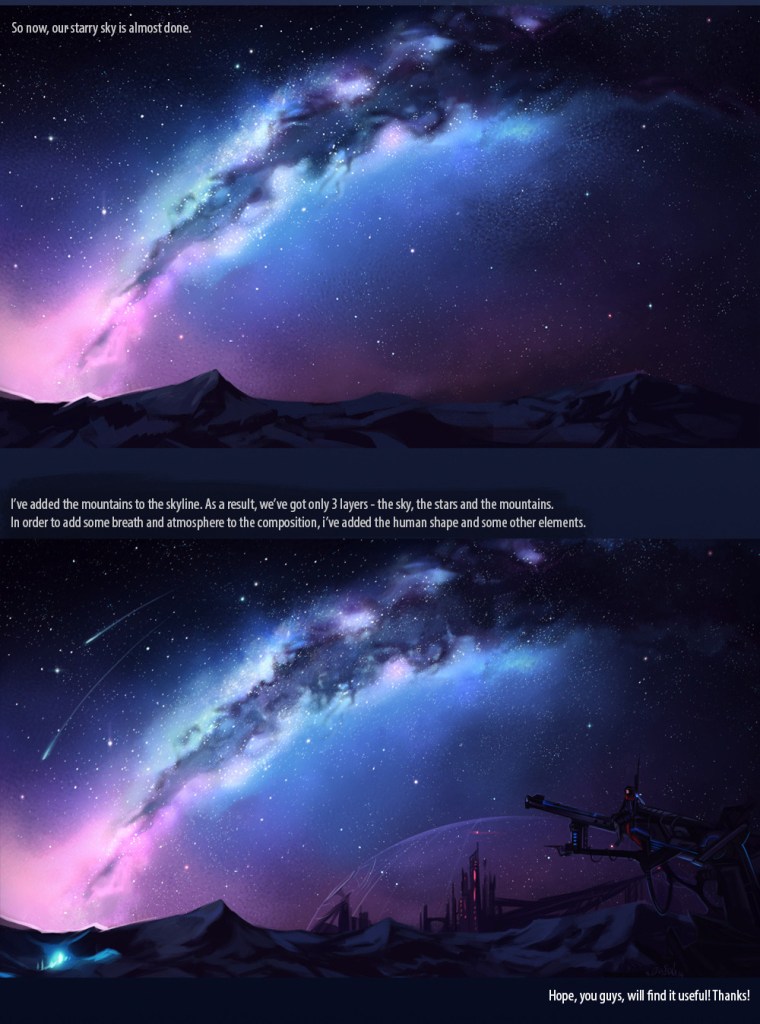
Starry Sky Tutorial
HSDGSGSFHF
Accurate statement is accurate on levels.
Appreciate the compliment – thanks a lot.
Truth is I spend a lot of time reading my characters’ dialogue aloud before moving on. Partly that’s to make sure it sounds right – accents and so forth – but partly because it pretty much forces you to inhabit a character wholesale. It’s an interesting way into their minds – for me, anyway. Make yourself sound like someone and you’re a little closer to making yourself understand them.
Worth saying: one criticism I face occasionally is that my dialogue feels less concise than other comicbook writers’. It’s a point of taste, naturally – a lot of people seem to dig the variation – but this is precisely why.
Spend any time thinking about language in comics (especially the big books) and you’ll quickly realise they make use of a fascinatingly artificial syntax. People in comics don’t sound like people in the real world. That’s true of almost all media, of course (not many people would choose to watch a movie where characters spent the whole time saying “um” and “errrr” and losing their trains of thought, which of course is precisely what happens in reality) but in my experience speech is particularly stylised and refined in comics. One tends to see characters talking a little more overtly about what they’re doing, referring to each other by their codenames, delivering open forms of exposition, that sort of thing. It’s not clumsy or lazy writing, it’s just part of the literary tradition of western comics, and it’s become so ubiquitous that deviations can feel stilted or uncomfortable.
Ultimately it falls to every writer to decide where they position their own voice – and more importantly the voices of their characters – on that spectrum between vocal abstraction and vocal reality, and it’s a very useful tool for hinting things about your different players.
(In X-Force, for instance, Cable would almost never say “uh”, or stammer, and it’s rare he’d use a sentence of more than a dozen words. But thoughtful pauses and understated under-the-breath “huh“ sounds are totally his bag. You encounter a character talking like that for the first time and it instantly tells you something about them.
Doc Nemesis batters people to death with words – mostly to conceal his own bewilderment or insecurity. Marrow’s dialogue includes more exclamation points, self-interrupting clauses and changes in the size of text than any character I’ve ever written. Psylocke’s oscillates between perfectly articulated and perfectly arranged expressions of opinion and jagged bursts of far less refined emotion. And so on.)
Remember: if stories are bodies (and they are) then words are their lips, teeth, hands, eyes, boobs, crotch-bulges and bums. They’re the first things you notice.
The whole Astonishing X-Men run, from Whedon to Liu, is up for $1 an issue at Comixology.
If you’ve got any interest in Northstar and Kyle’s wedding arc (#48-56, 59, 66, 69 and the Annual) this is a great chance to pick it up.
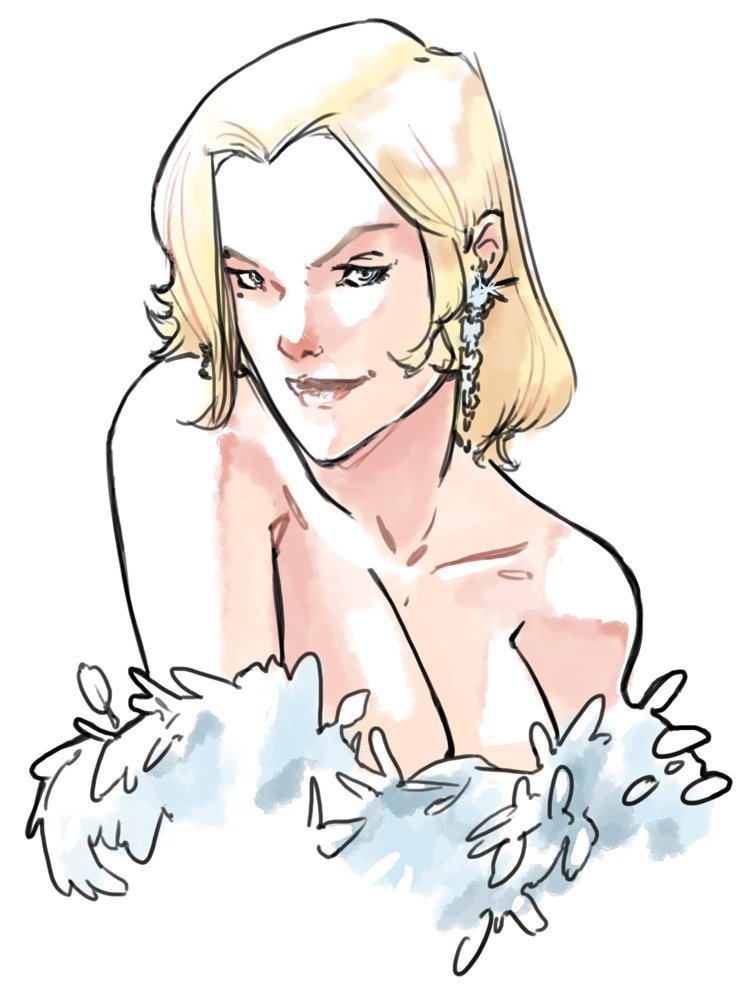
My now departed grandfather once gave me one watercolor palette he brought from Hungary. I made a mess on my first paint since I didn’t know how to use them.
I still don’t. This is digital.
Reblog if you’ve ever been harassed by a man regardless of how modestly or immodestly you dressed.


