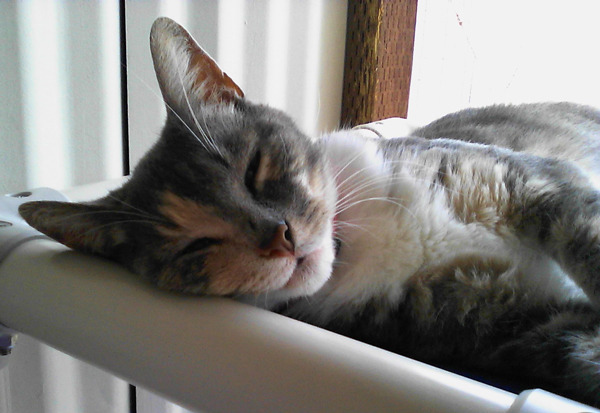
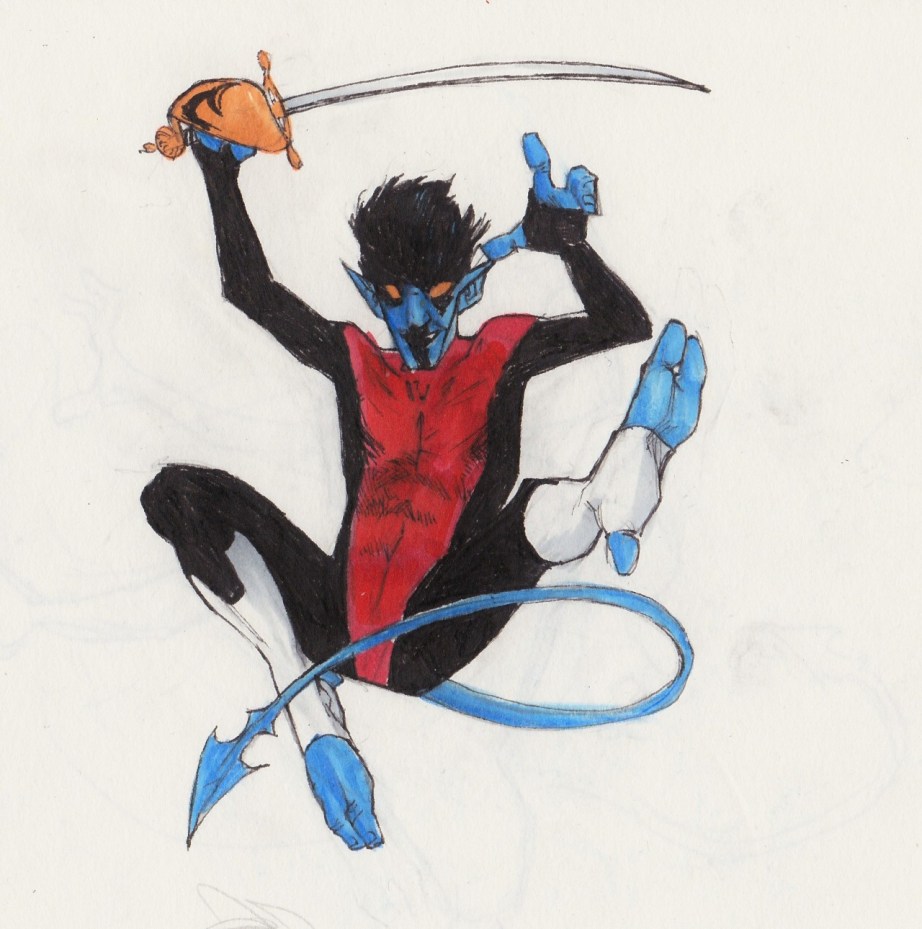
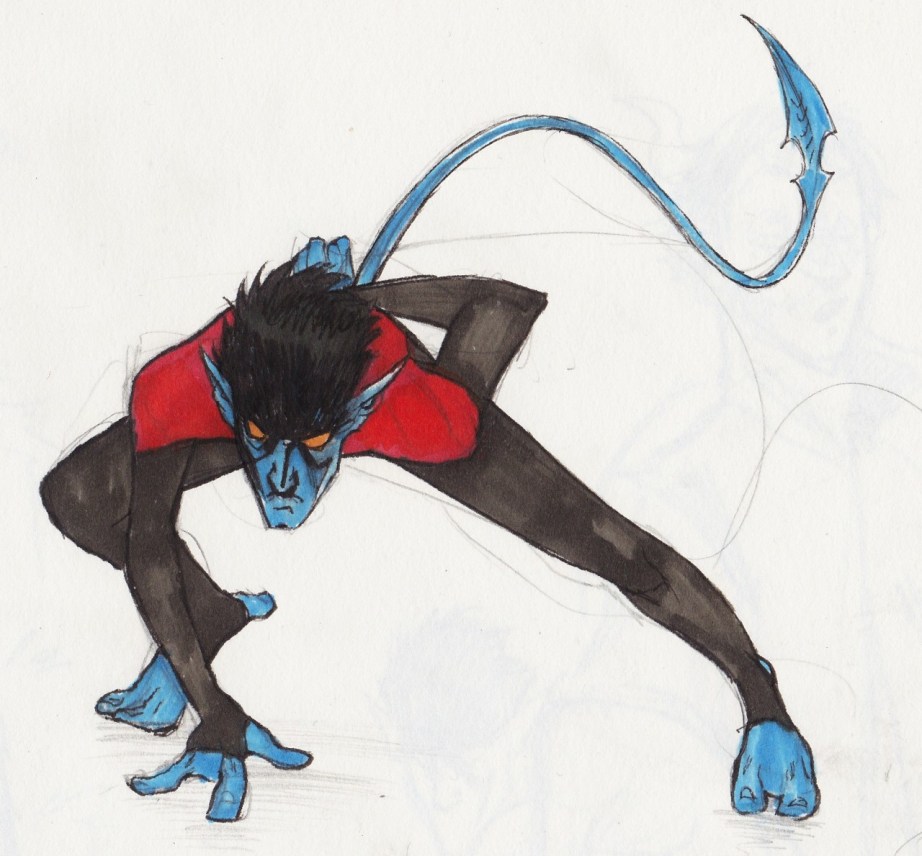
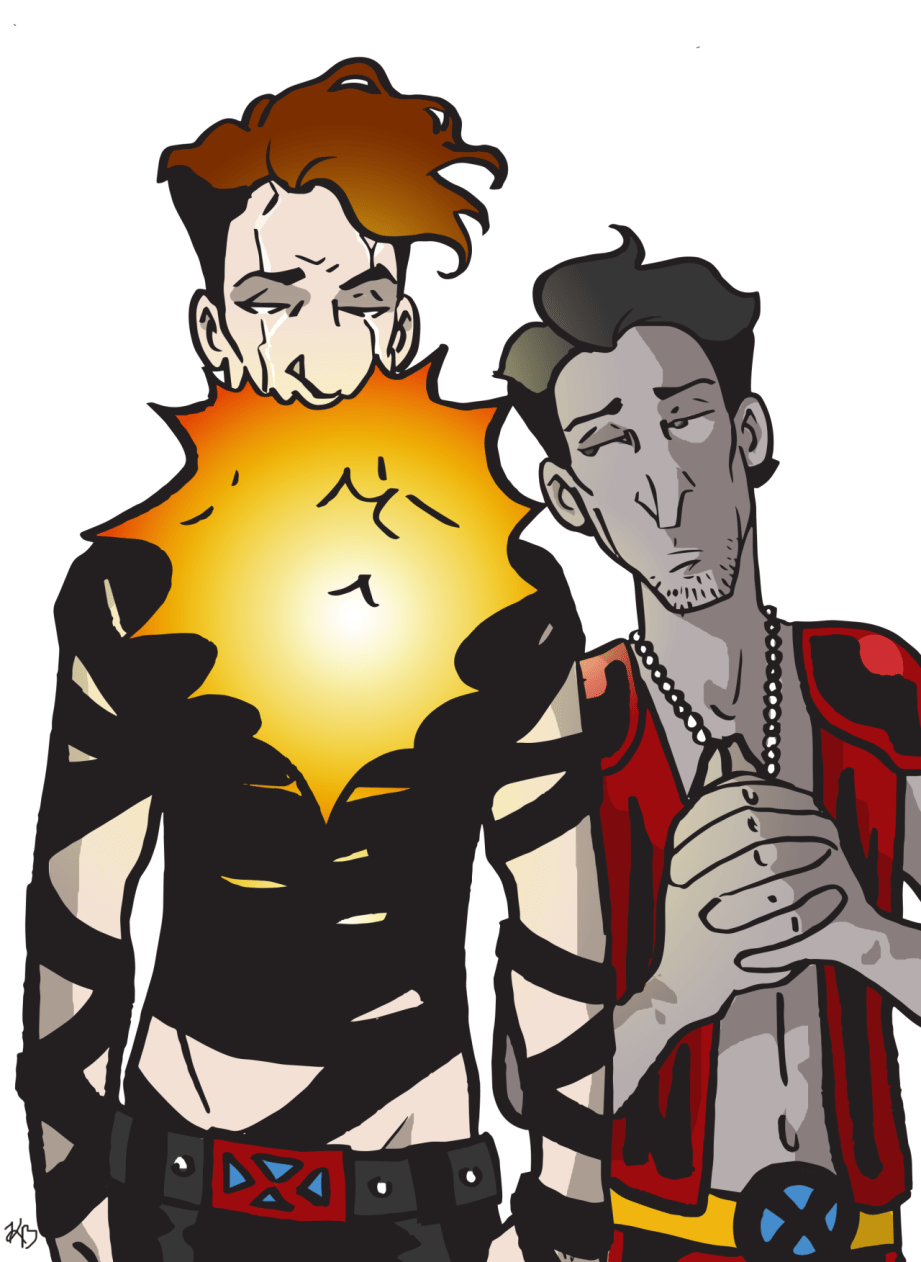
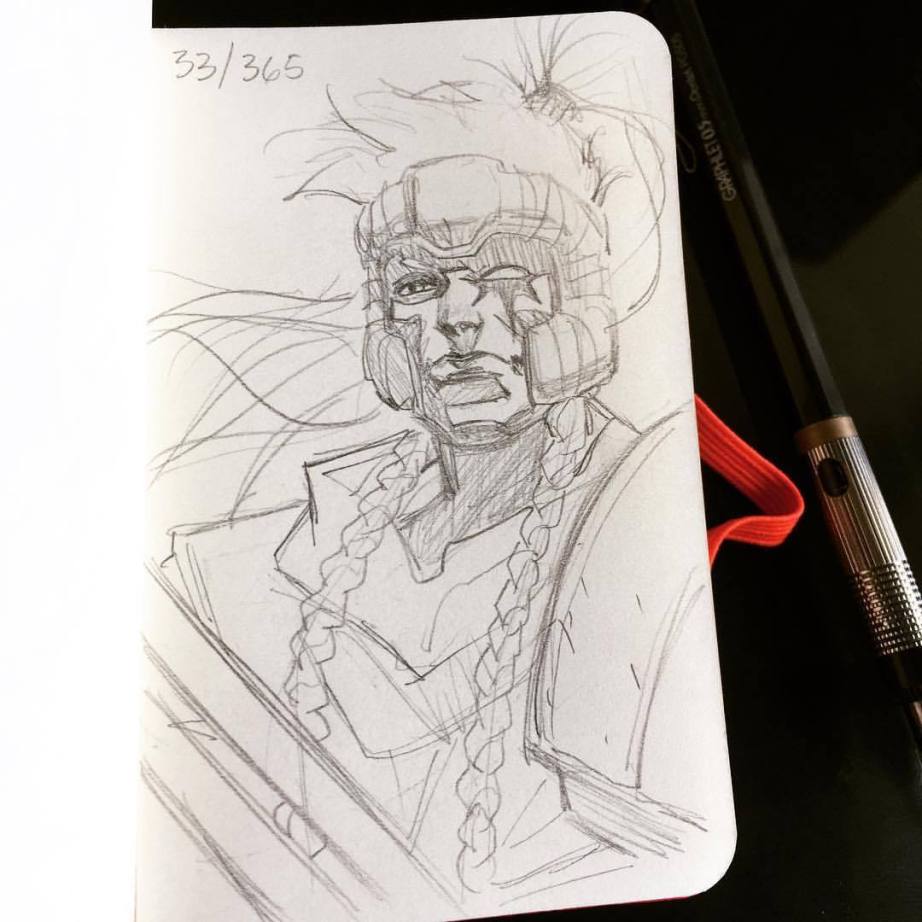
This is Captain Sherbet. We love her to bits and she is absolutely the best cat we could hope to have!
Since we adopted her this summer, however, she’s been sick half a dozen times with GI problems. After several tests that turned up nothing, the vet now believes that she has Inflammatory Bowel Disease and needs to do an endoscopy on her. Unfortunately, it’s going to be expensive.
To help fund the procedure, I’m going to be doing a live-stream event this Saturday, Feb. 11th, starting at noon (PST).
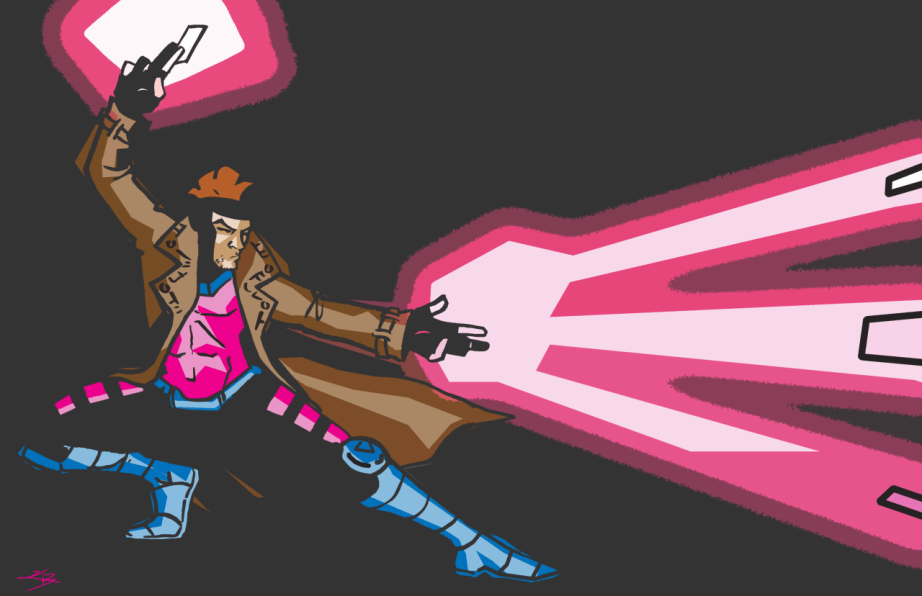
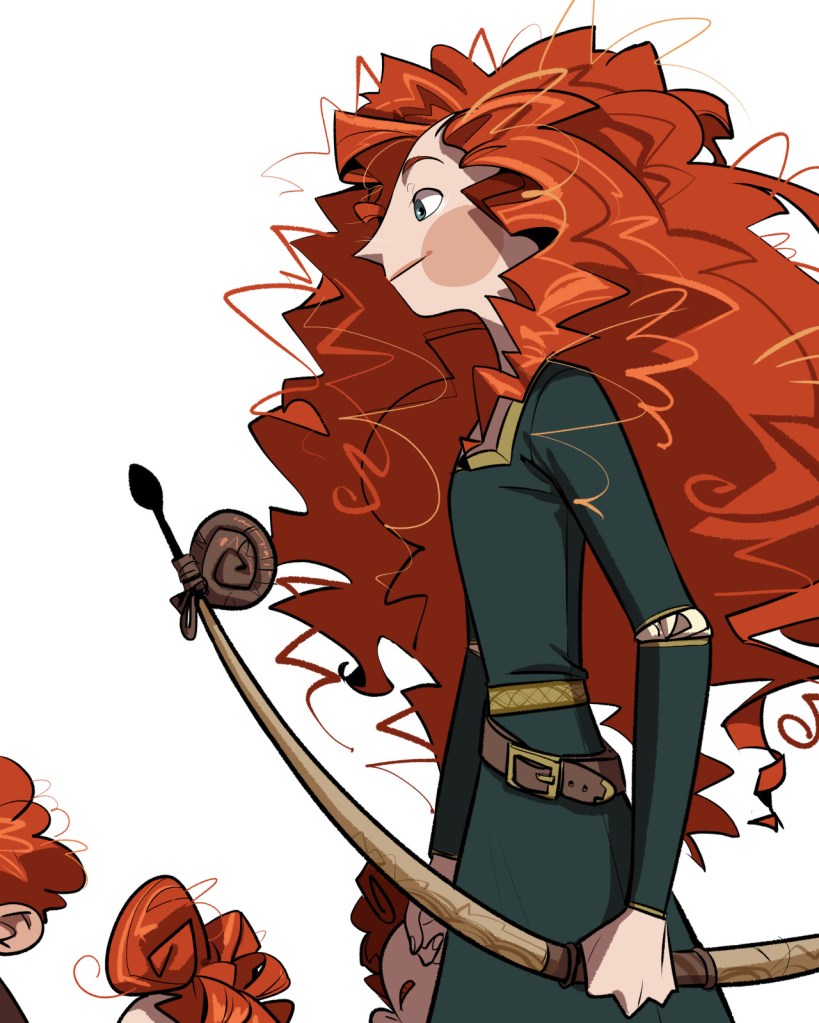
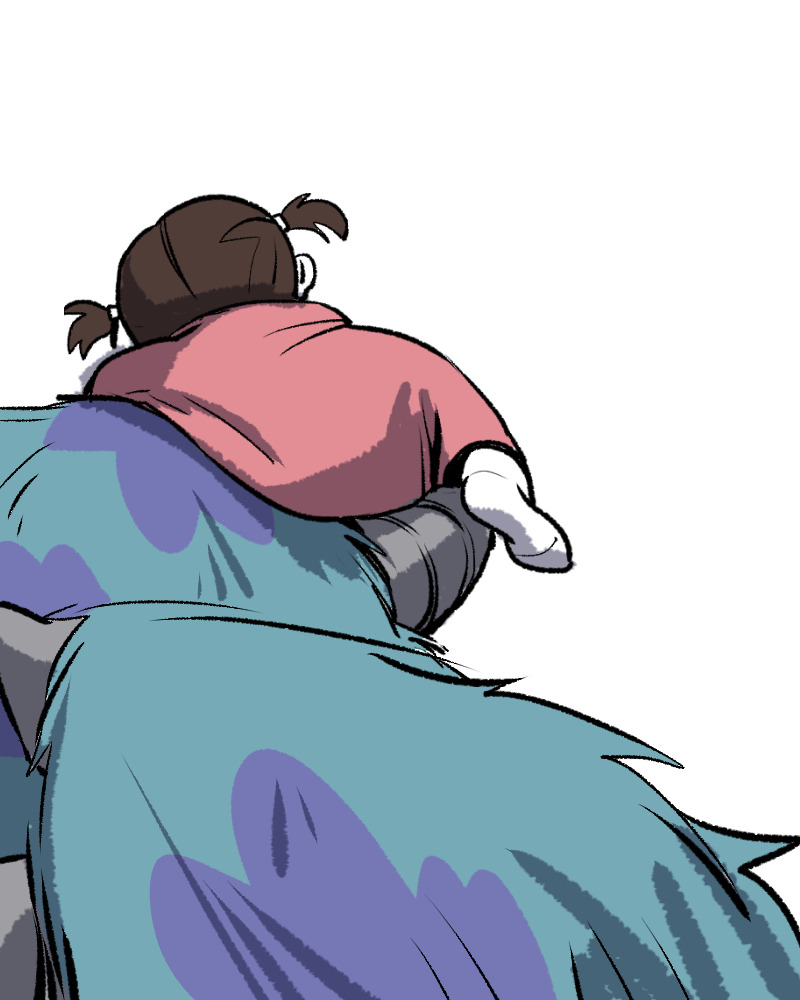
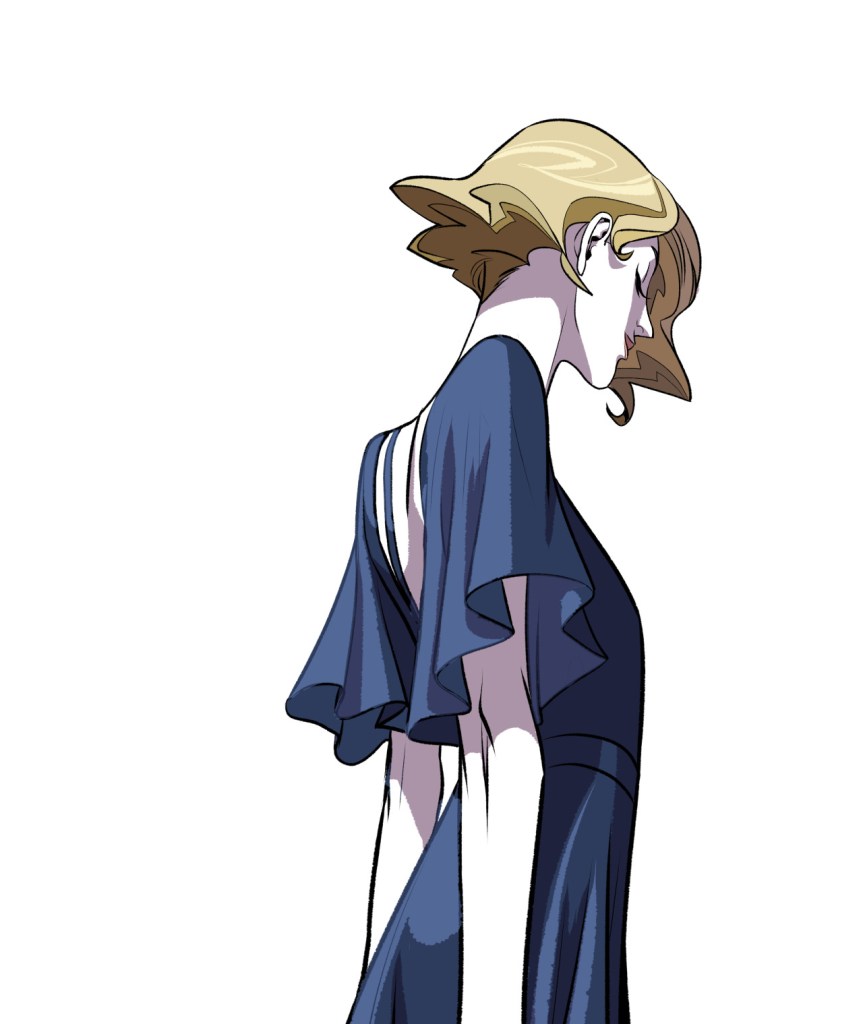
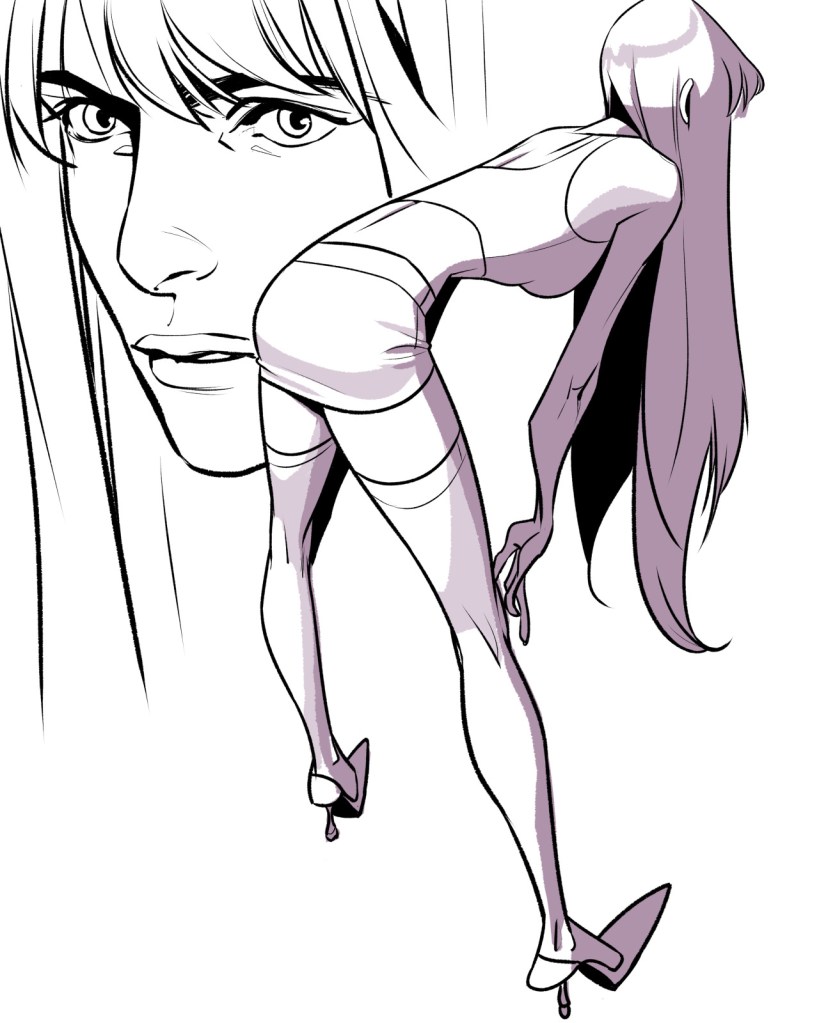
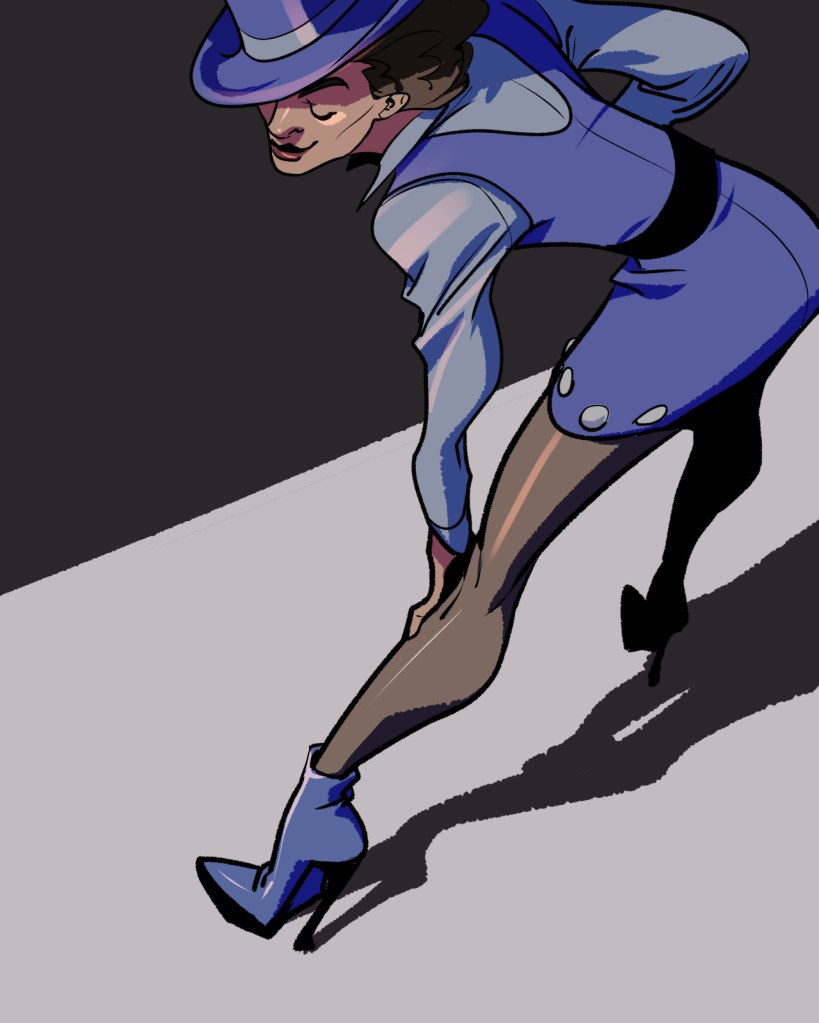
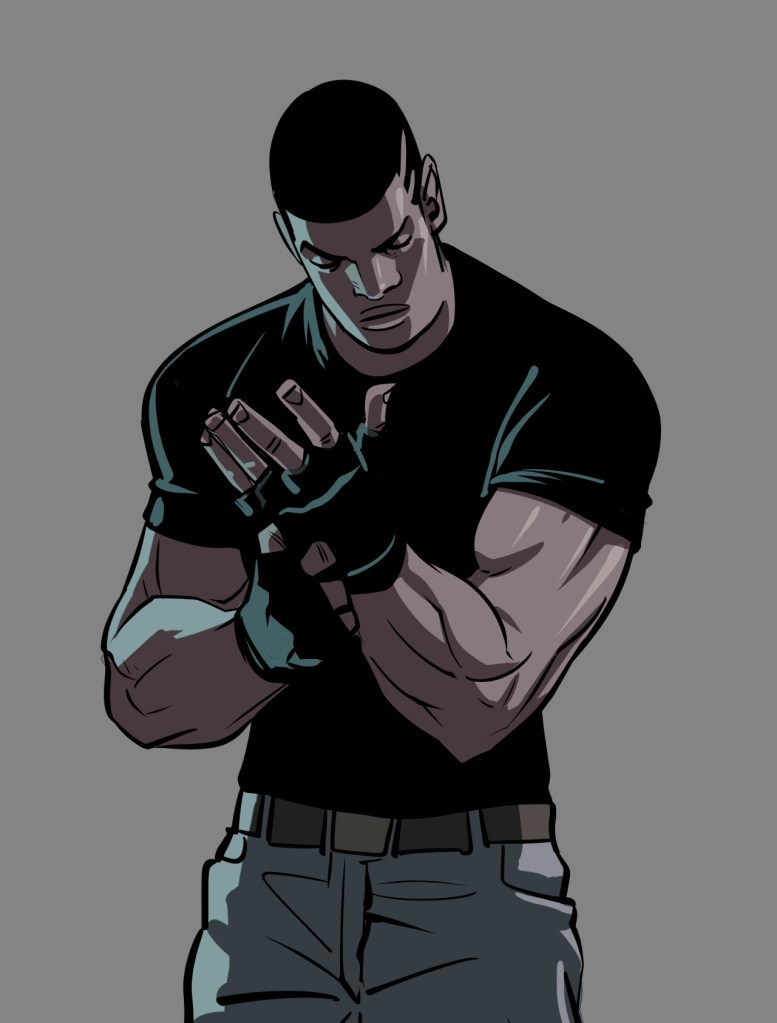
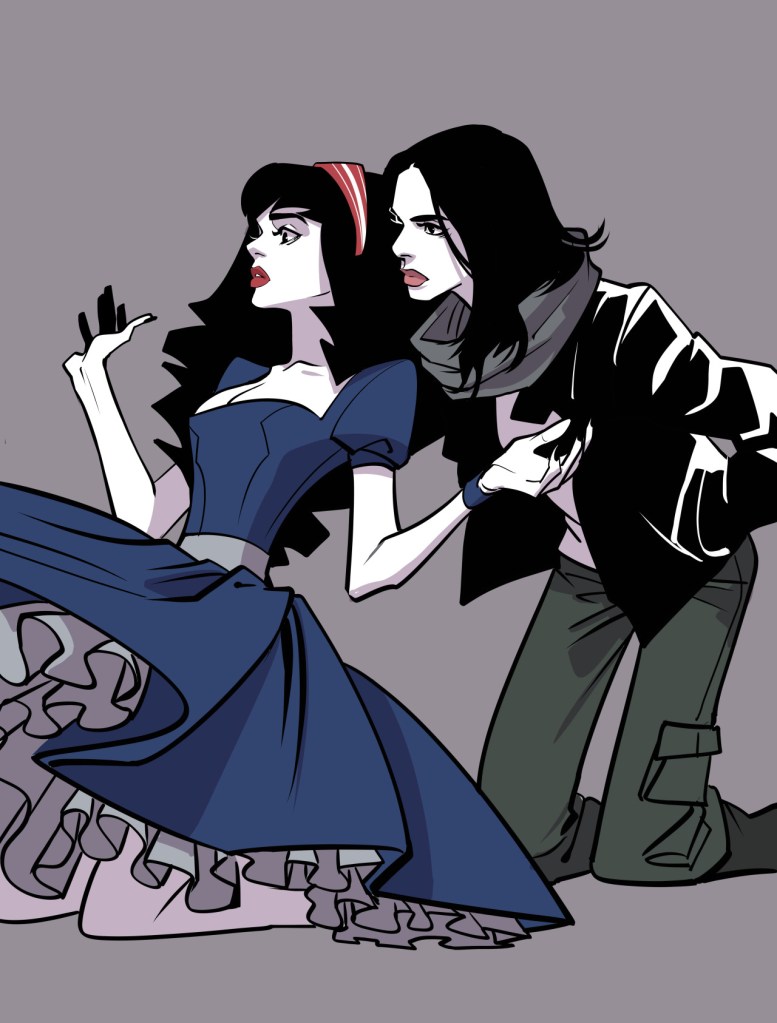
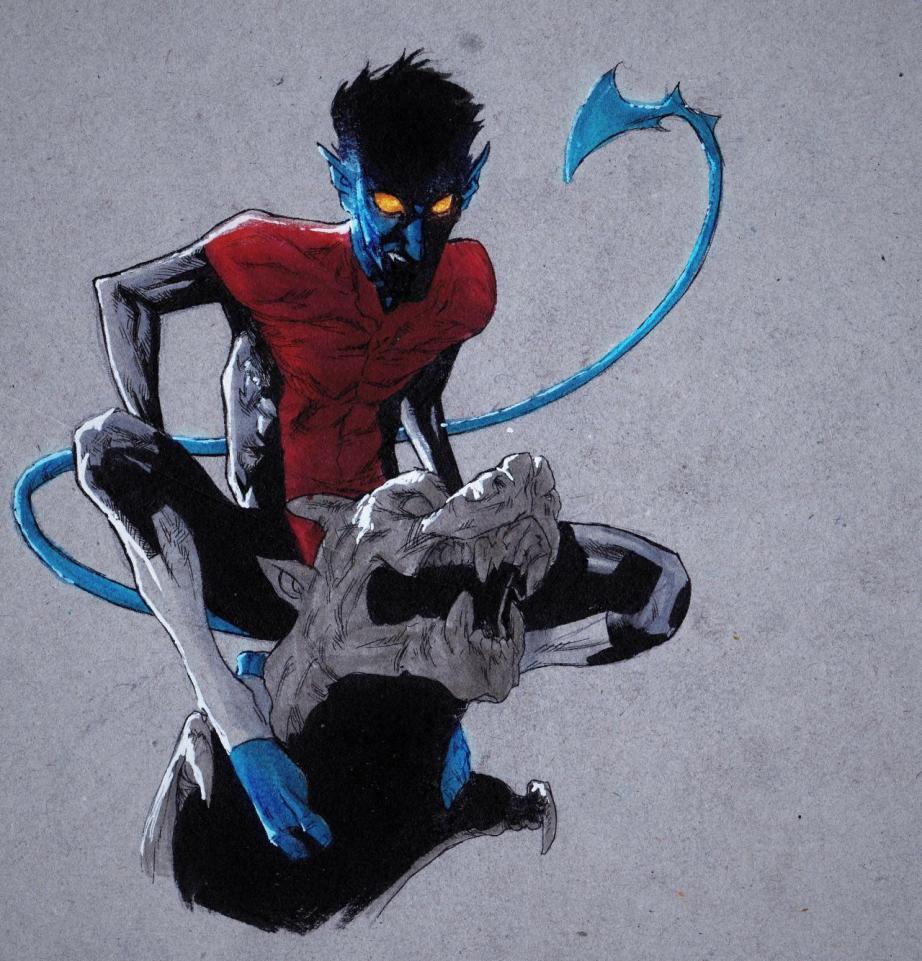
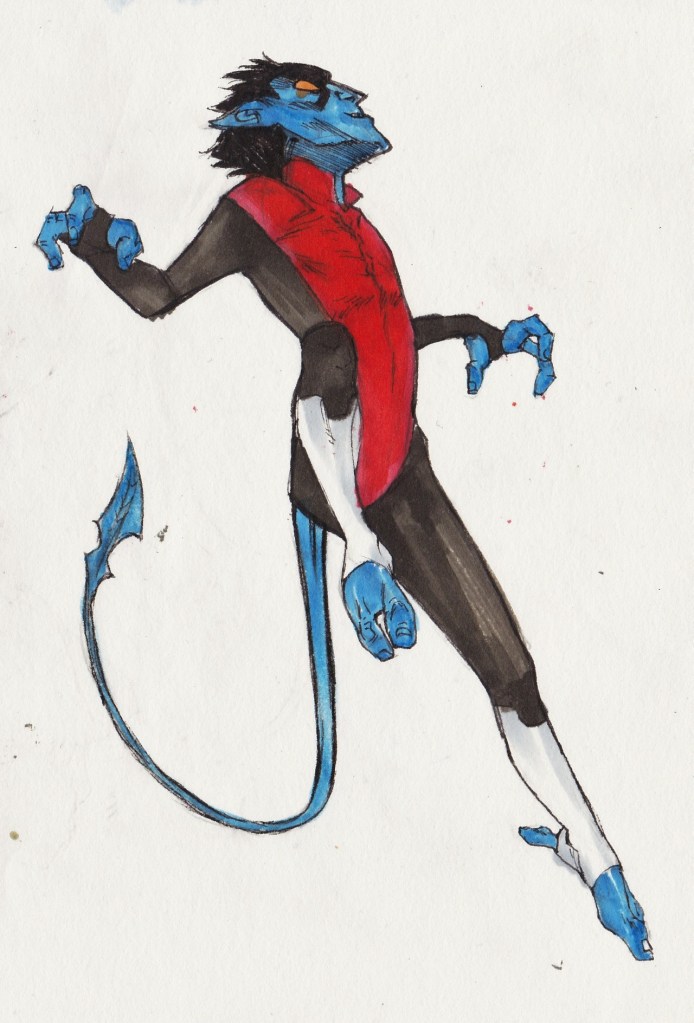
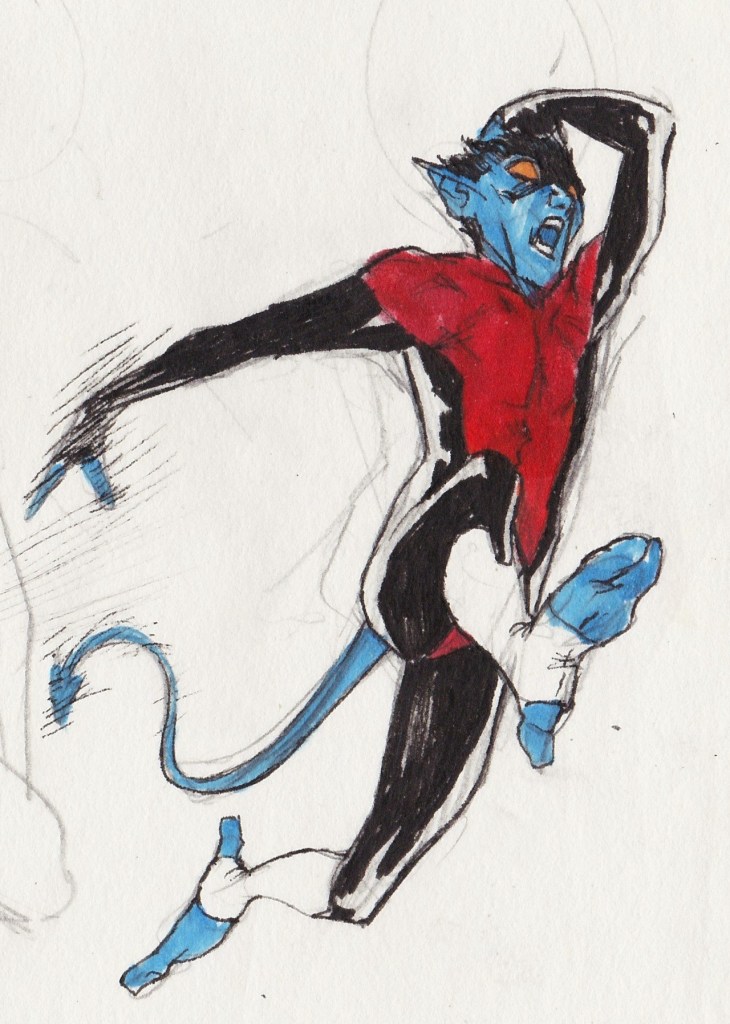
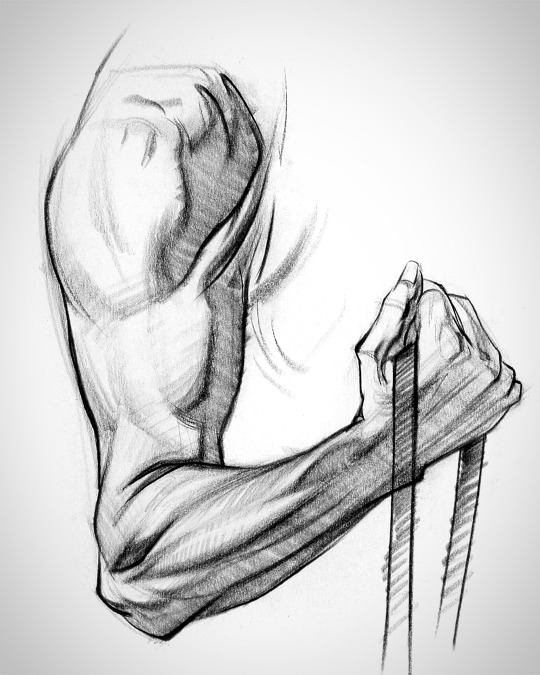
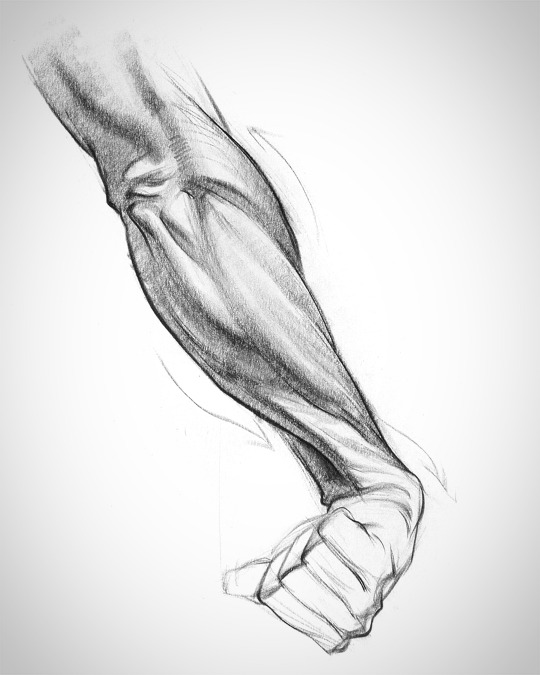
Starting today, any donation of $10 or more gets a drawing like one of these–live on Picarto!
What a great deal, huh? You get cool art and you get to help Captain Sherbet!
There’s three main groups: the flexors and extensors each take one half of the forearm, and the ridge muscles sit on top like a little tiara. Each group has it’s own unique form. Learning their anatomy will help you design awesomely dynamic arms.
Let’s try to make forearms manageable to draw. This is a body part most artists don’t quite understand. It can be real intimidating if you don’t know the muscles.
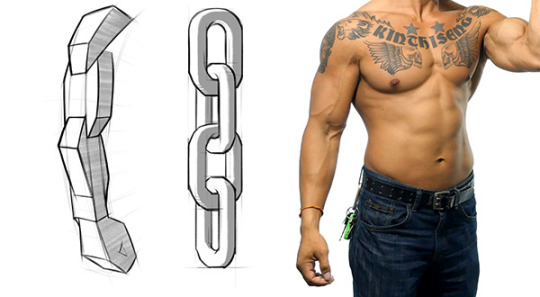
The arm has a simple chain design and the forms interlock down the arm.
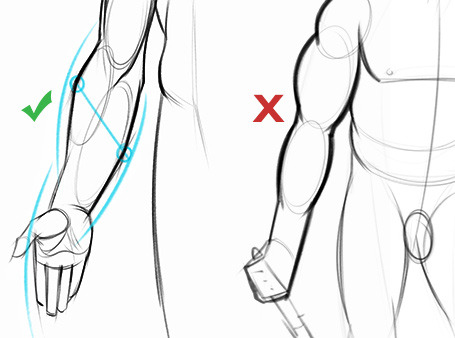
To avoid the snowman effect, use straight, angular lines and look for asymmetries. Compare the apex of both sides of the forearm to understand the curvature better. Notice that the flexors reach lower on the wrist than the extensors and ridge muscles.
Look for this kind of thing when you’re drawing the gesture of the muscle groups. A wave rhythm where the curve on one side leads into the next curve on the other side.